Where I started
I joined Around as product lead while the company was still early. The first job was to understand the business, what the team could actually take on, and where the product stood, so the working habits we added would help the company move.
Around is trying to change how offices are leased, with technology and a closer look at tenants and landlords. That is a hard change to make. The aim is a clearer experience for both sides.
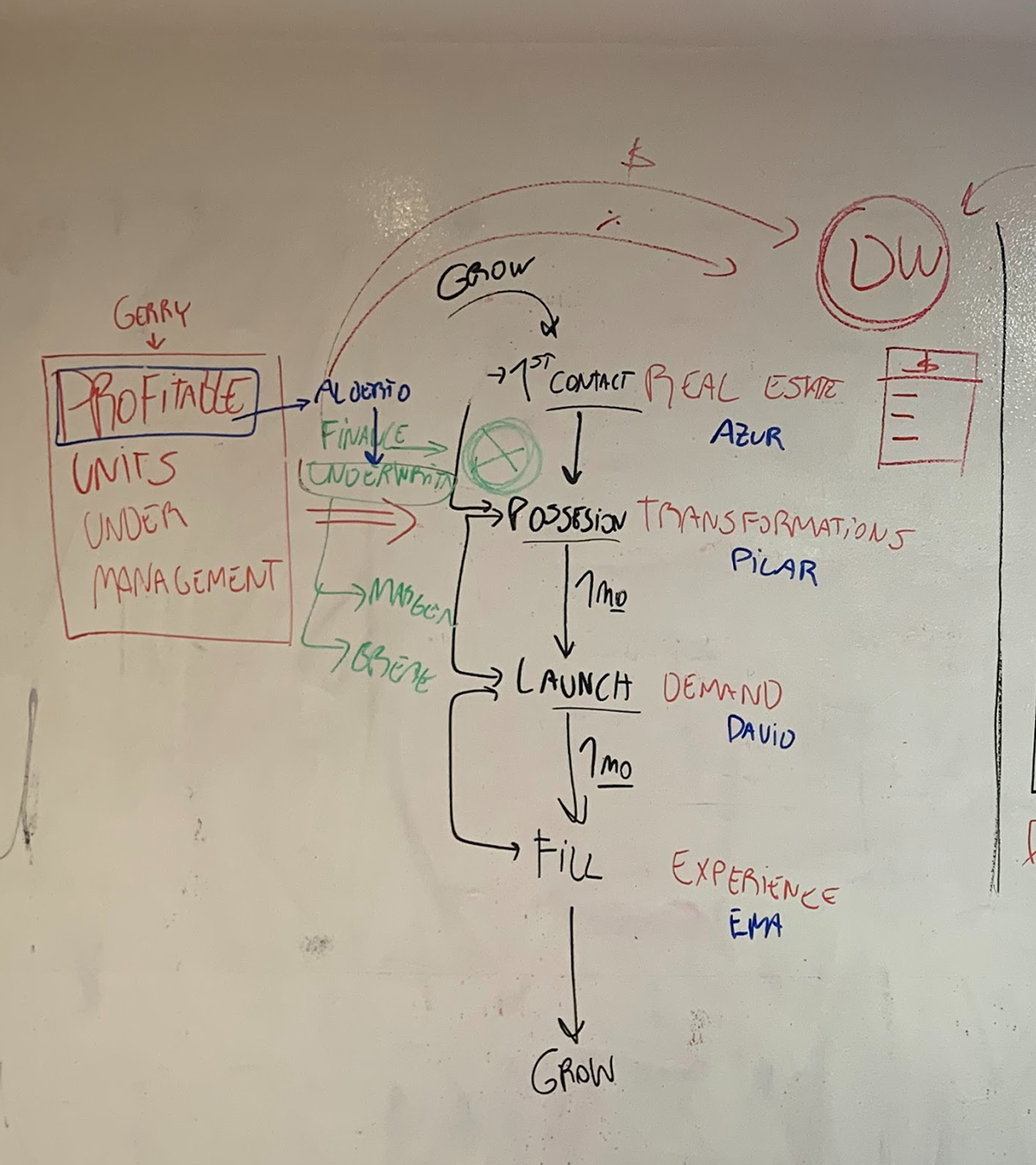
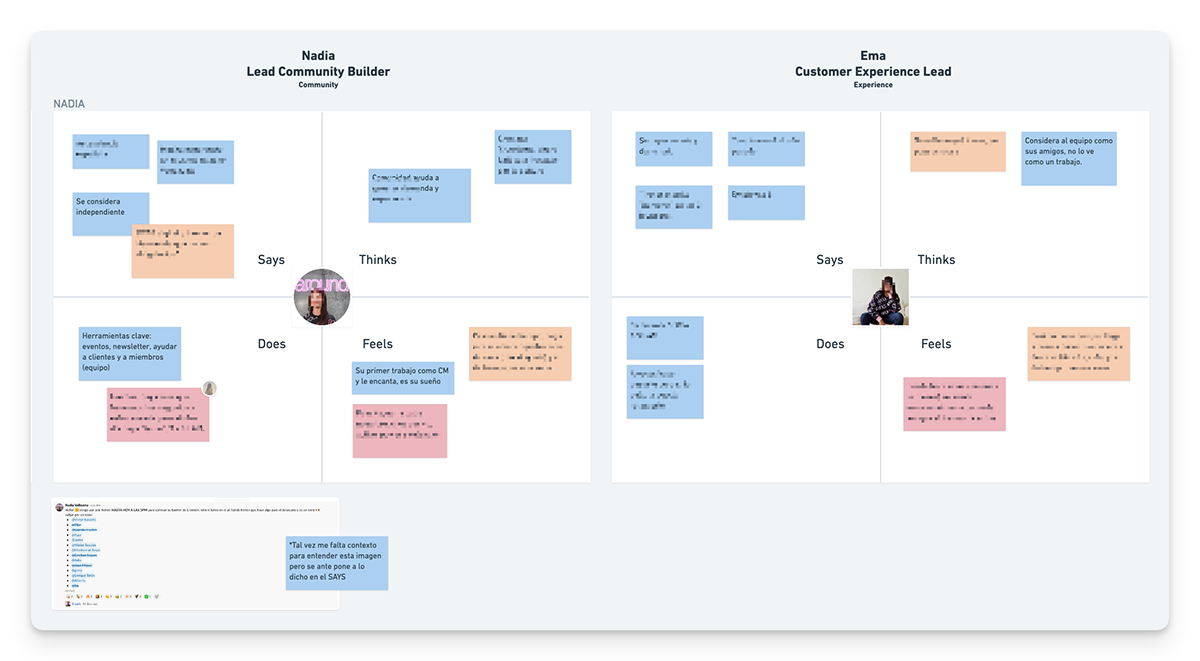
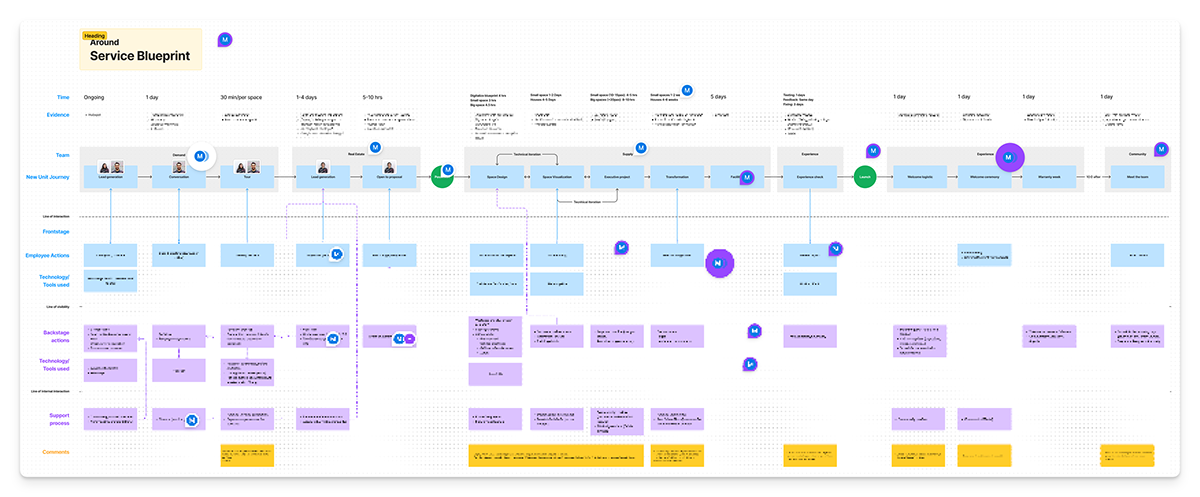
I spent the first stretch mapping the business, who owned what, and the technical constraints. An empathy map of the internal team showed me their needs, pains, and strengths, and who I should work with next. The blueprint came after I had listened to the team, sat with the day-to-day, and talked with tenants and clients.
The other hats
Product lead here also meant running the week.
As project manager I ran one-week sprints, wrote the documentation, and led retrospectives and planning. User stories and the other ceremonies sat in that same week.
On research I turned interviews into a direction, then checked it with interactive prototypes or Retool apps. I did not build the Retool apps. Vendors and clients were the people we tested with.
On UI I turned those findings into screens, added components to the MUI design system, and audited the coded version in staging.
How we wrote things down
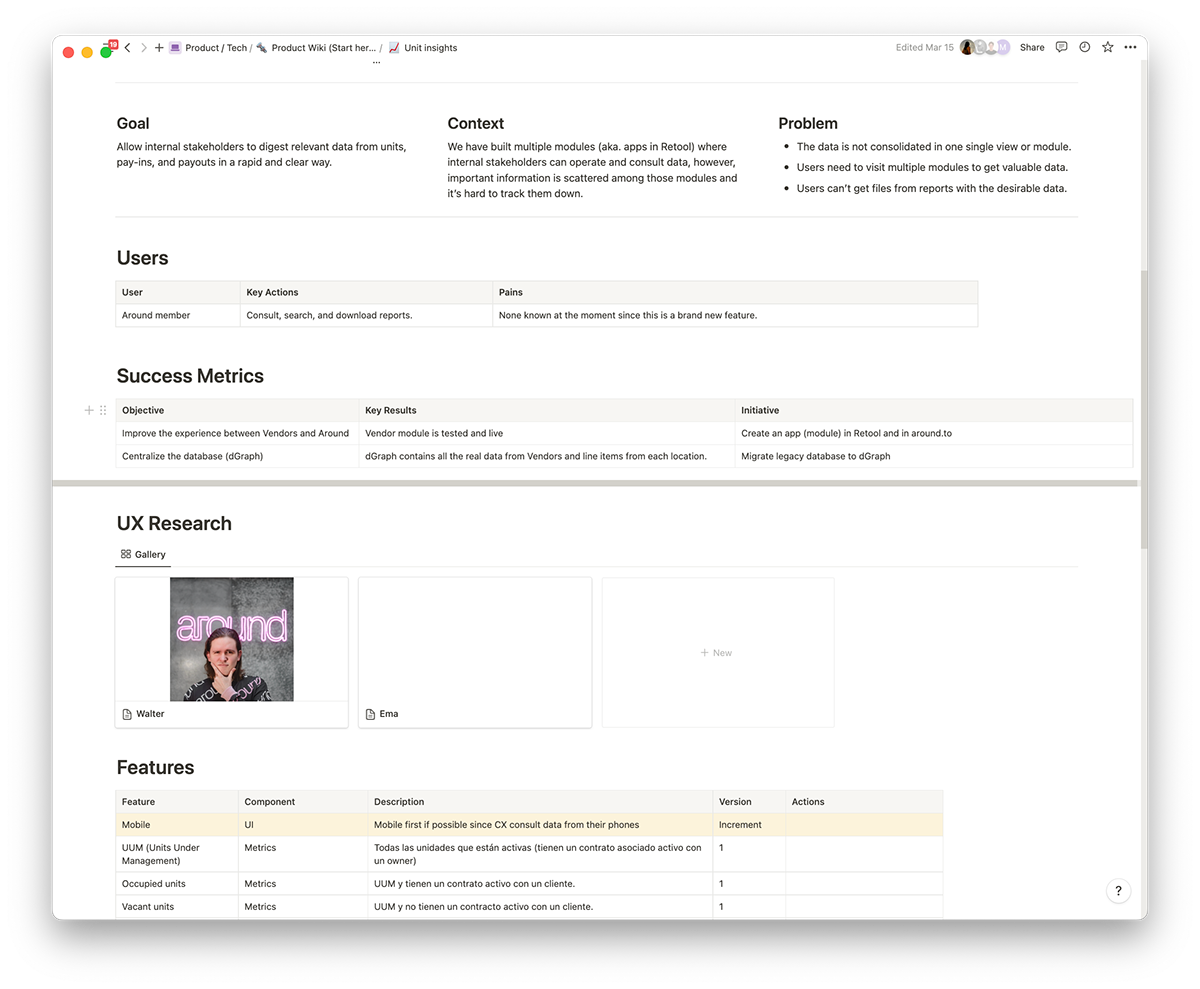
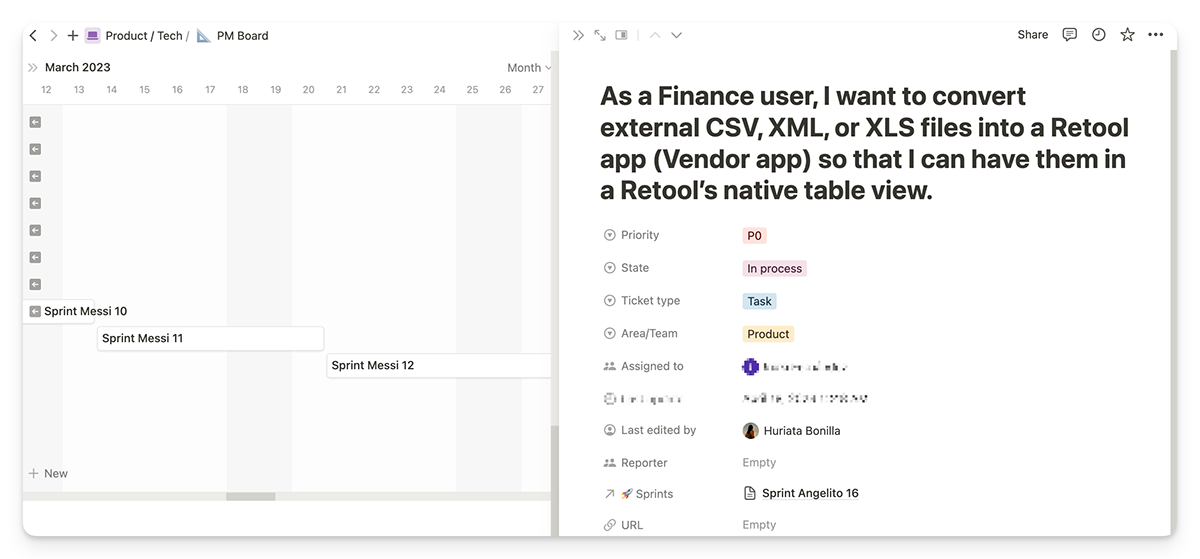
We kept a product requirement document for each piece of work: the goal, the background of the problem, what was in and out of scope, the interviews, the UI anatomy, and the user stories. Notion held all of it.
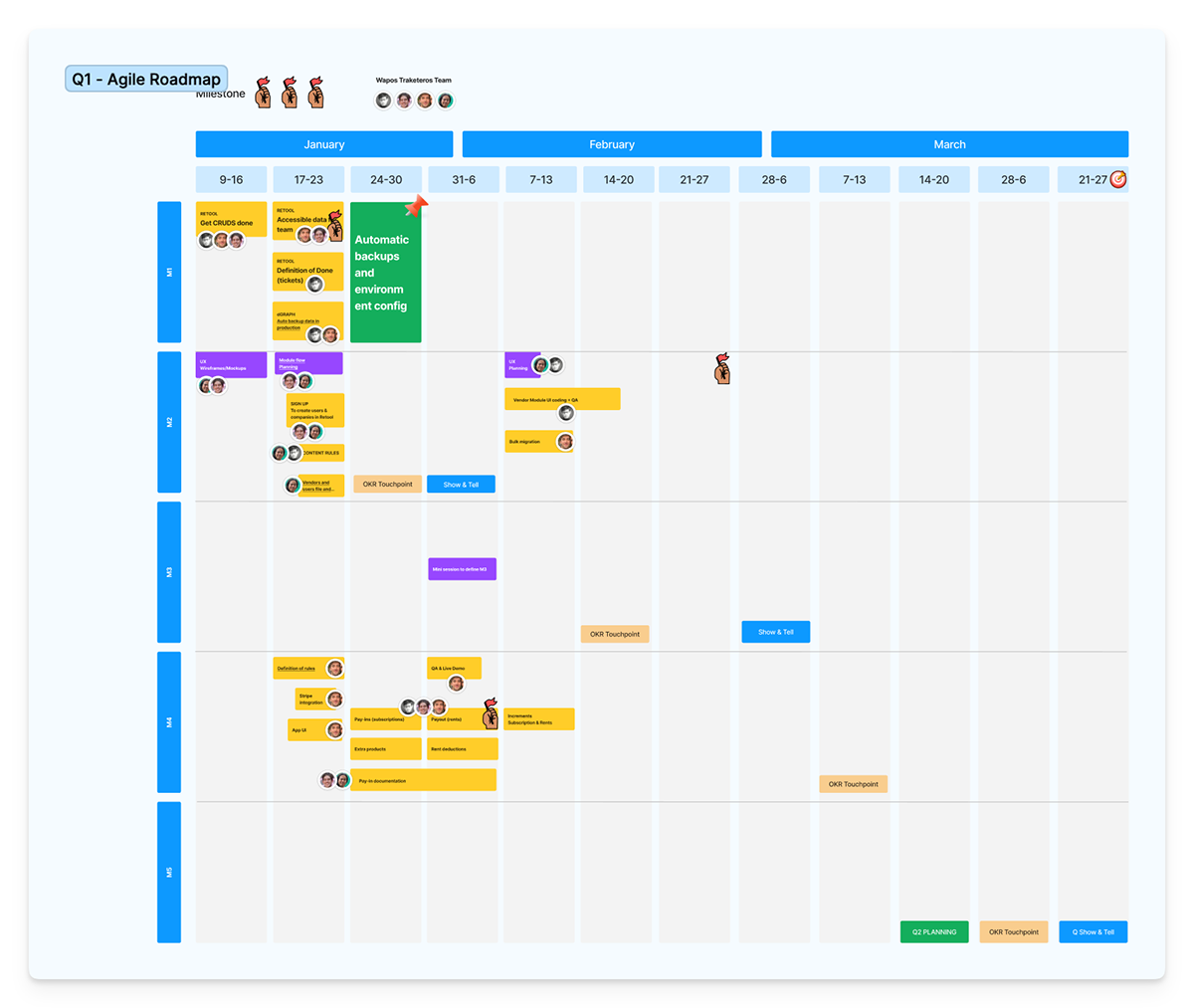
The tech roadmap was built month by month, not as one block for the whole quarter.
OKRs
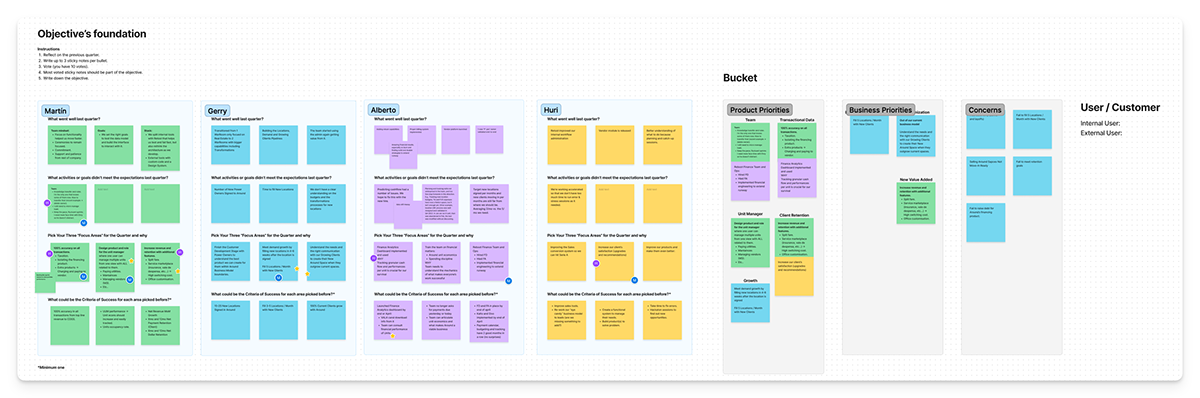
For product-level OKRs I asked the CEO, the head of finance, and the head of operations into the room so the product objectives lined up with the business. We reviewed the last quarter, named the needs and the pains, brainstormed, grouped ideas, dot-voted, sorted them into priority buckets, and wrote the quarter's objectives.
Then the tech team and I negotiated the effort. The output was a month of objectives, split into one-week sprints. Planning one month at a time made the estimate closer to the work we could actually finish.
Vendor platform
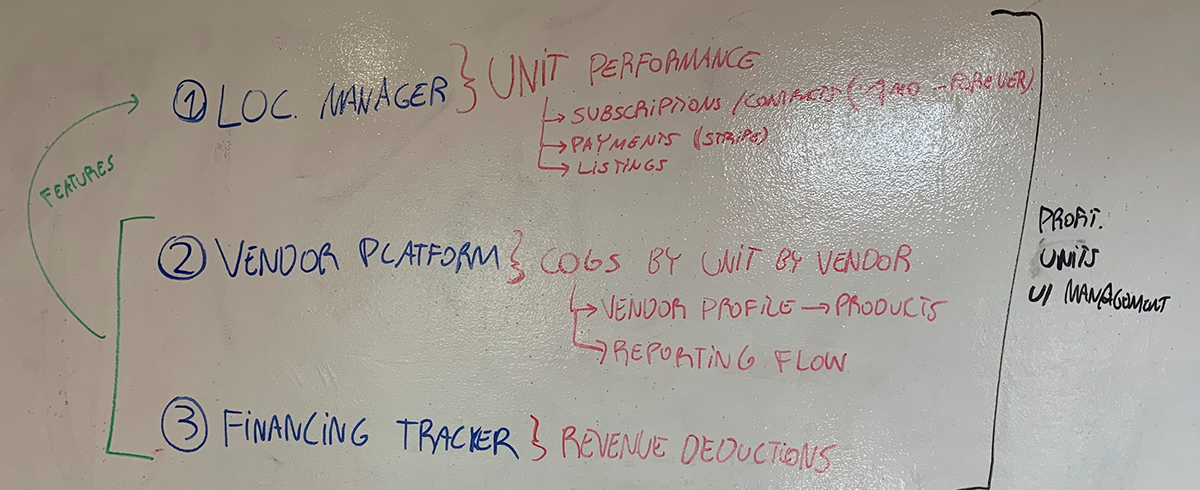
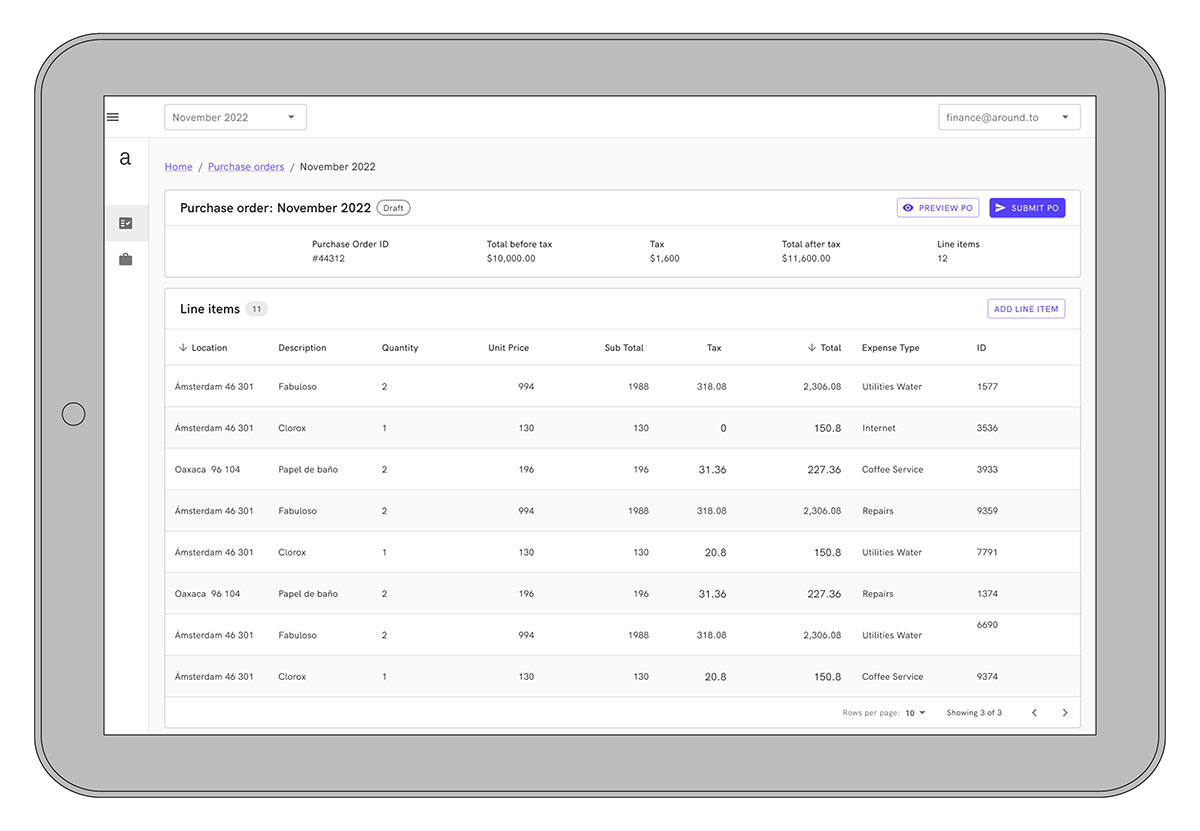
The business needed the cost of a single office in one place: rent, services, vendor services, and supplies. The hypothesis was a web app that could reconcile purchase orders between vendors and the company, so internal people could read units, pay-ins, and payouts without hunting.
The pains were specific. The data lived in more than one module. People had to open several of them to get a useful number. Reports would not export the fields they wanted.
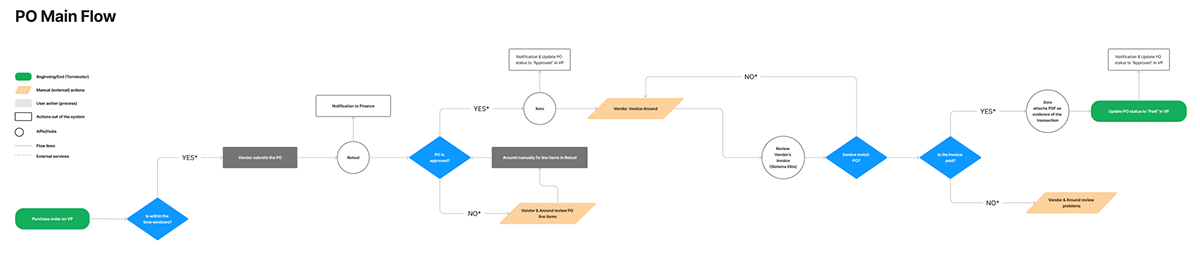
I looked at similar products, interviewed vendors about how they placed orders, how long it took, and which tools they used, then turned that into a vendor flow, wireframes, and mockups with the developers. The PRD held the lot.
After release, testing with vendors showed we had aimed the system at the wrong person. The real user was an internal stakeholder, and nobody on the team knew that until the app was out. We used what we had learned and built a Retool app for those stakeholders in a week.
Unit page
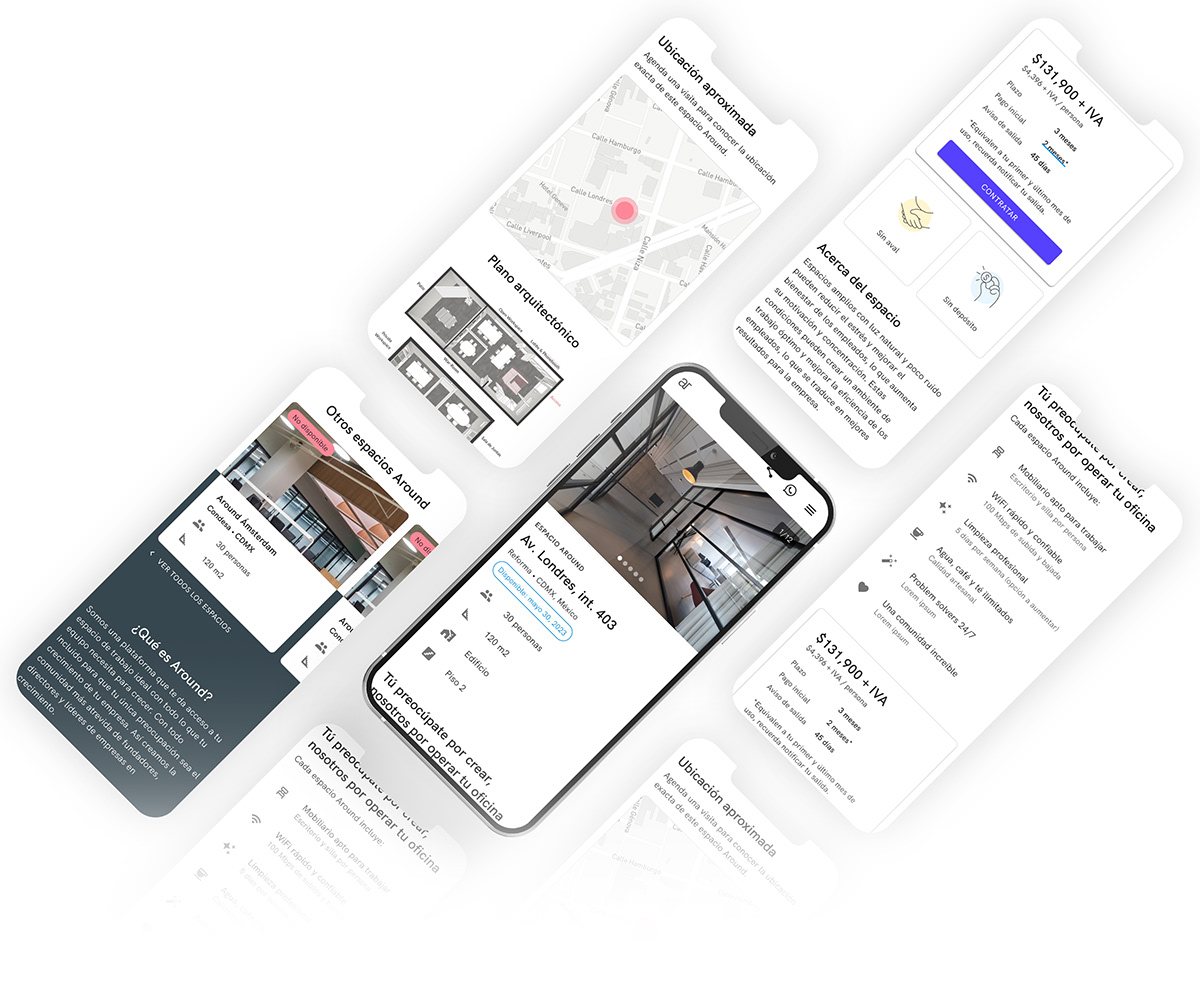
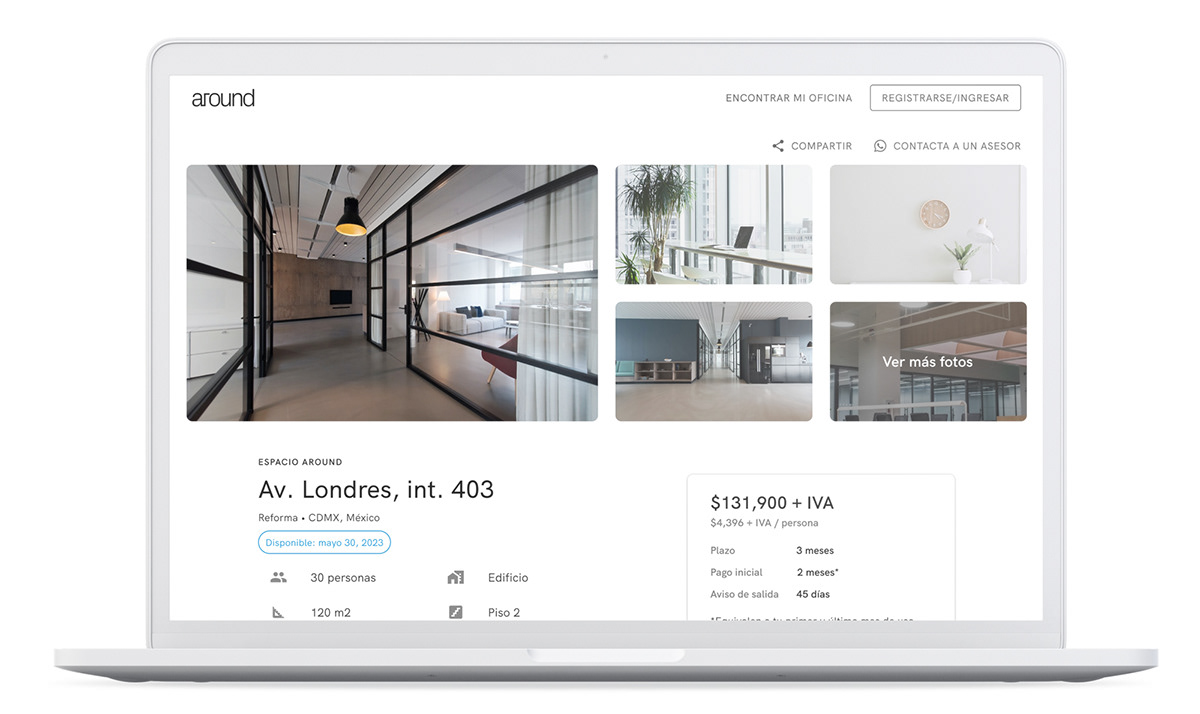
The other brief was the single unit page. The demand team needed a clearer way to show an office's features, perks, and price.