What I did
I ran design thinking sessions, interviewed stakeholders, helped set OKRs, built a design system, and made interactive prototypes.
In 2018, tools for people to train themselves on the job were less common than they are now. Synapse, later Cognota, started as a way for new employees to take an online course about their role and get an assessment right after.

What we already had
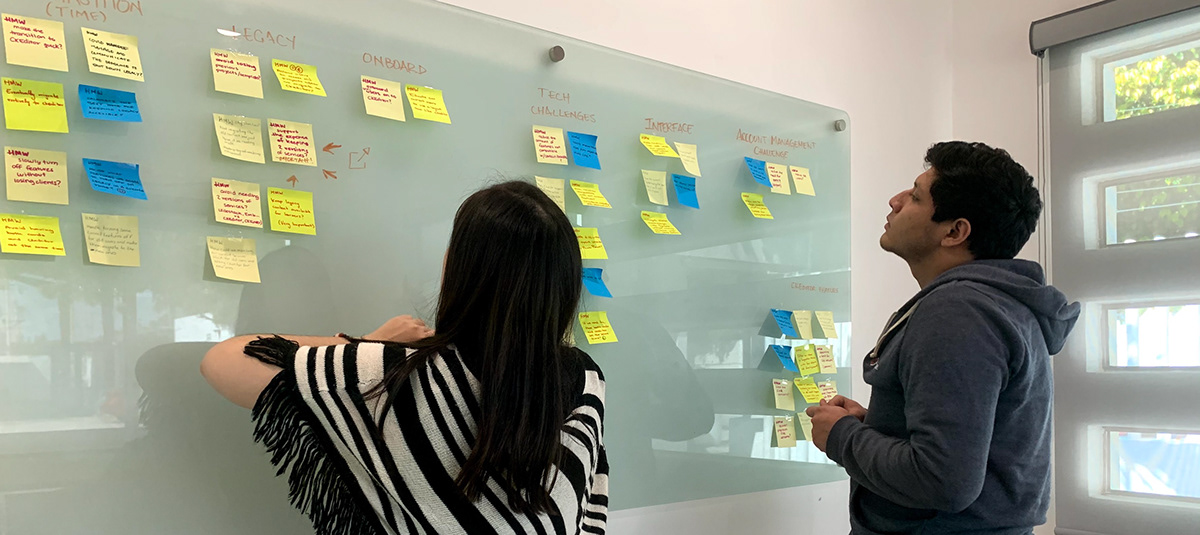
Early adopters wrote to us in chat, on calls, and in interviews. That told us where to look. We sat through sessions to find features nobody wanted, steps that repeated, and work we could estimate.
Three things had to change. Accessibility had not been considered. Components and the visual design were inconsistent. The heuristic we were using needed a clearer definition.
Working with engineering
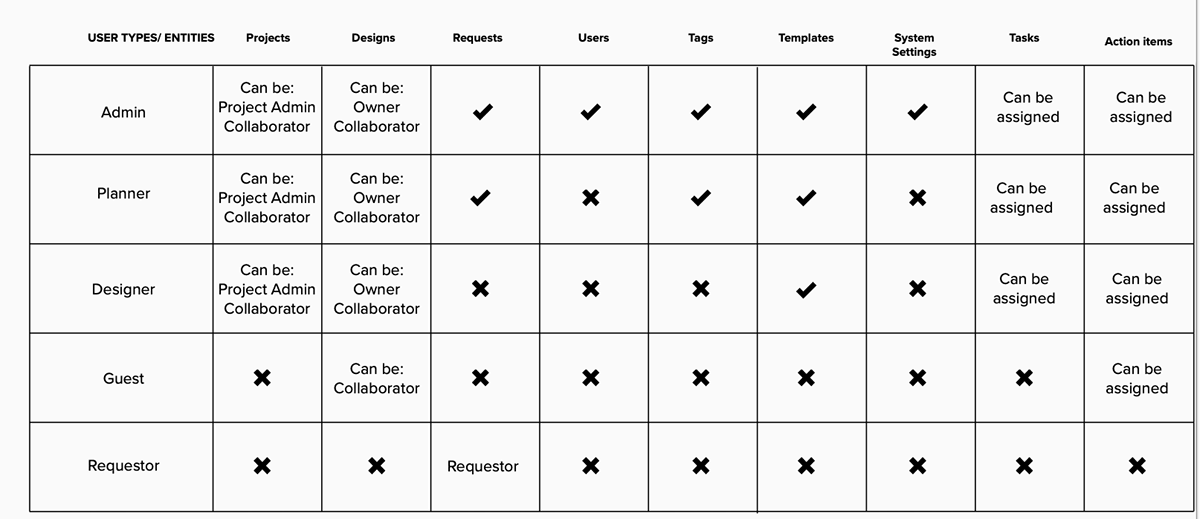
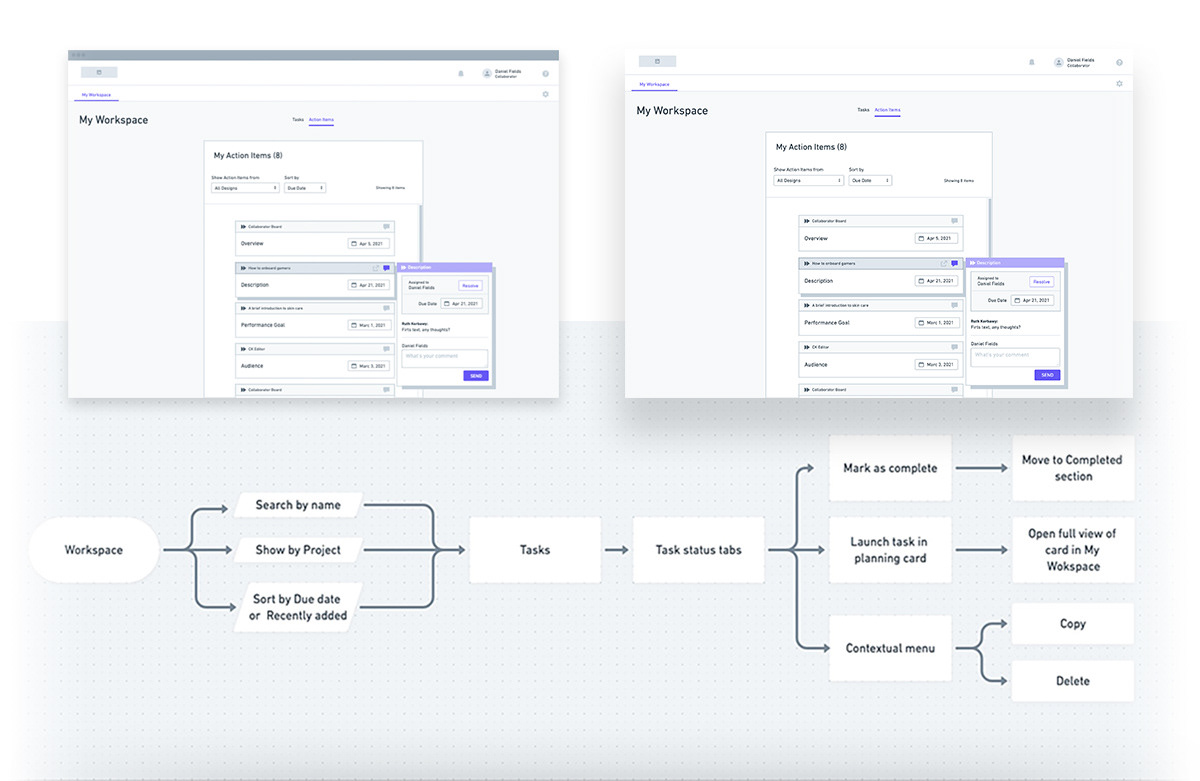
Flows and components started as wireframes with the developers. I treat them as part of the UX work, with different tools. Negotiating, hearing another way to build it, and saving time were part of that. The solution had to be something the team could finish with the time and people we had.
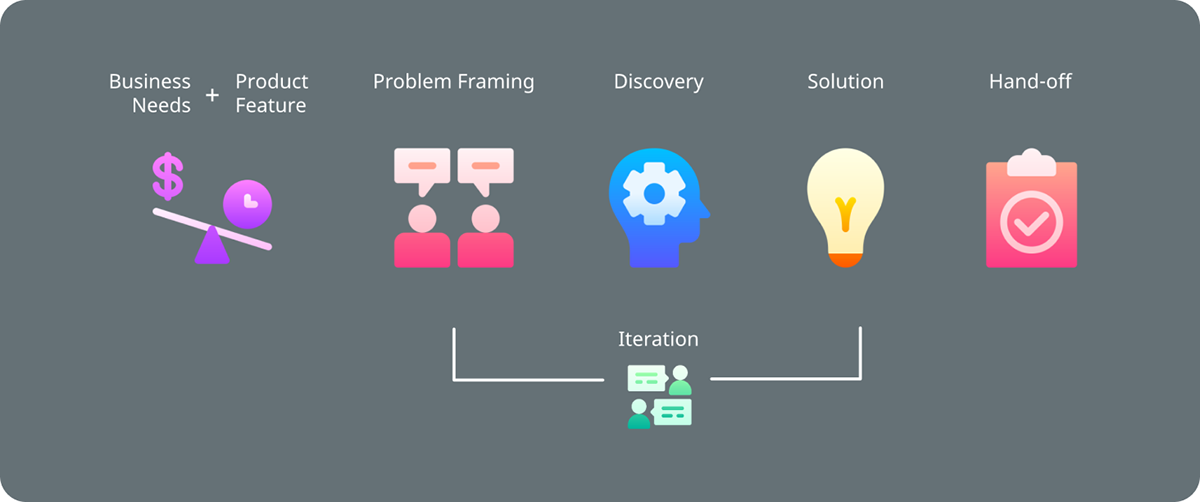
In a small company the product design job swings. Some weeks I was researching a behavior or a point of friction. Other weeks I was in bulk mode, making visuals for a quick win or preparing components. Introducing design thinking was slow. The team was used to crafting, shipping, and only then finding out what was wrong.

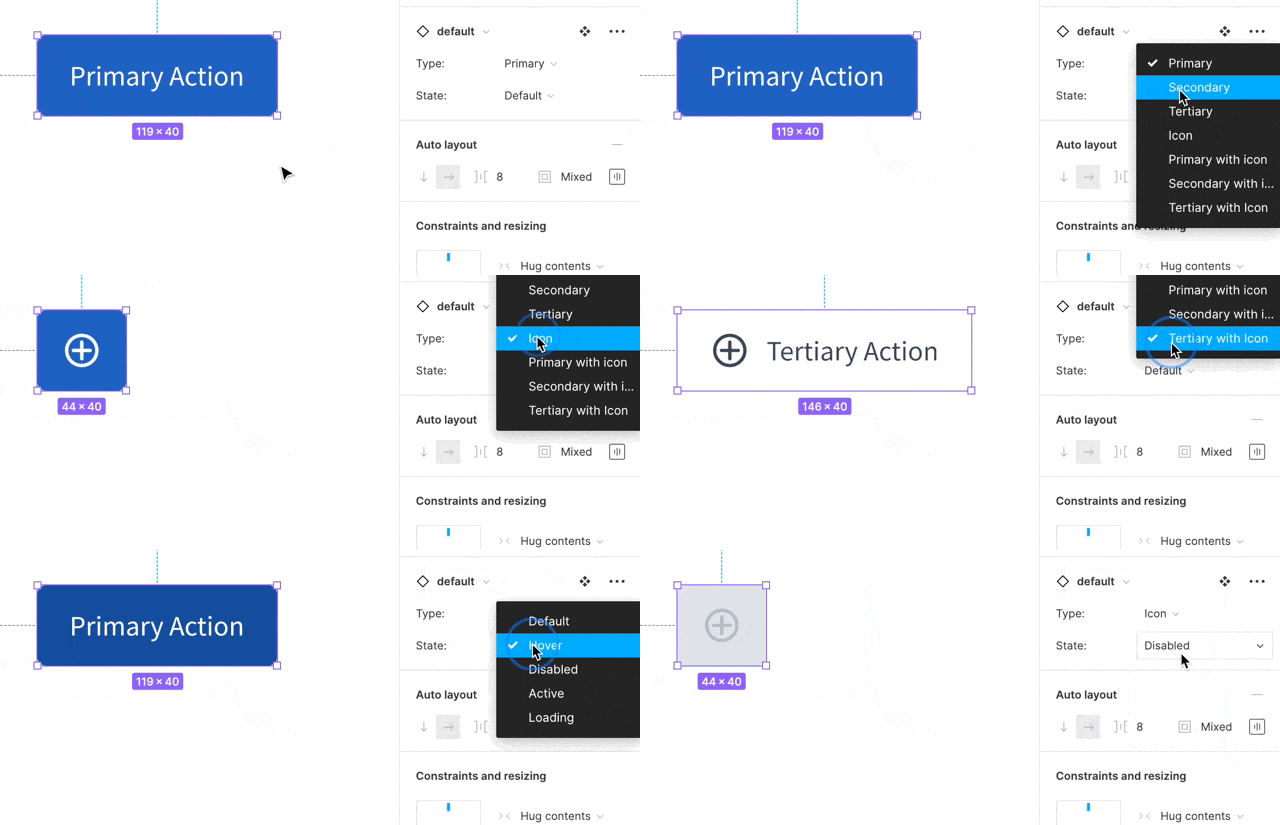
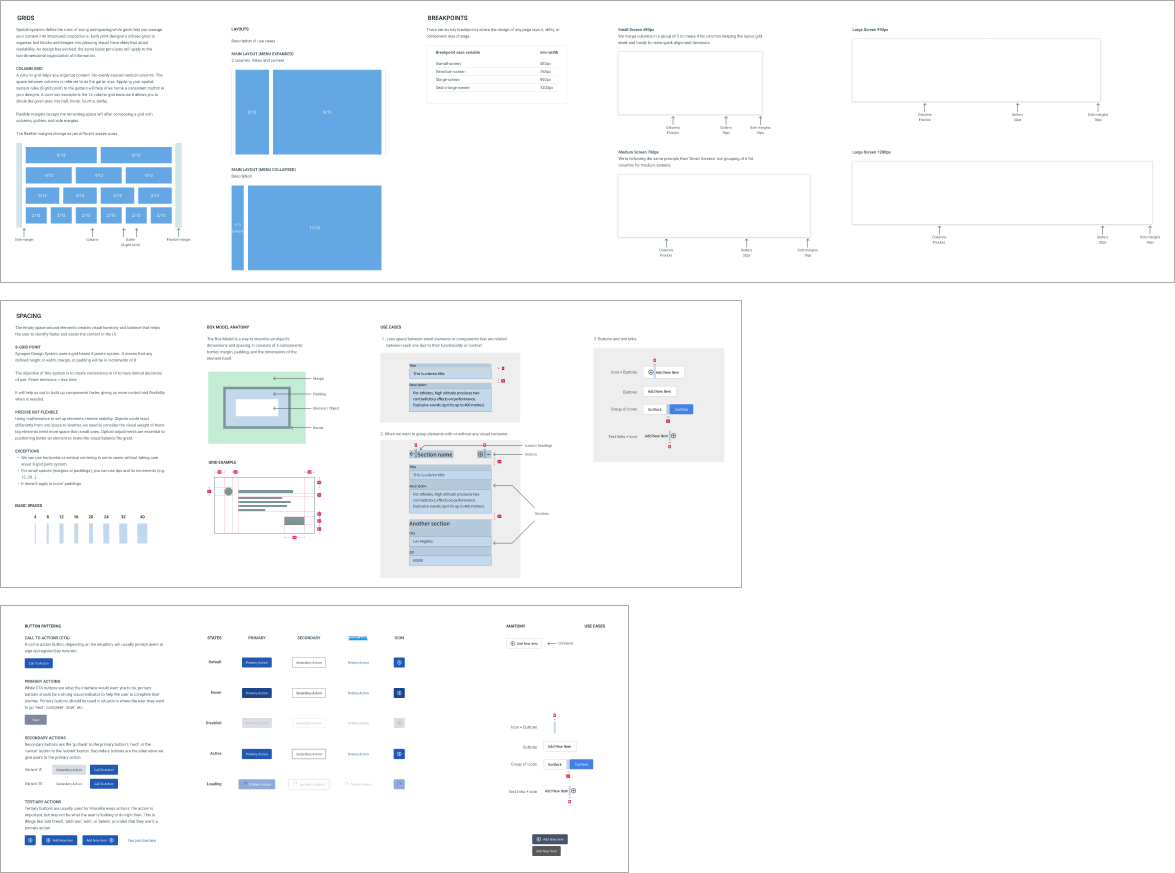
Accessibility and the design system
We lost a deal because the product was not accessible enough. That sat badly with the team, and it was also a reason to fix the base.
Design and code were both taking too long. We rebuilt from the ground so accessibility and shared behavior patterns were in the components. The design system cut the time we spent and raised the quality of what we shipped. We closed the deal that had been waiting, and we could look at other work.
We used atomic design. Complex components came from simple ones. Finishing the system took time. The gain was larger than that cost.
Research, roadmaps, logbooks
On the discovery team we reviewed the research and turned it into a presentation for the core team, so the discussion had a shared boundary. Roadmaps followed the OKRs for the next three months.
I started a handover I called logbooks. Each deliverable carried the requirements, user stories, flows, mockups, accessibility notes, and anything else the product owners and developers needed. I still think a team should write this down, whatever its size.
After
Digital products keep changing because people use them in different ways. Checking and changing the product had to stay in the process, not sit at the end of a project.
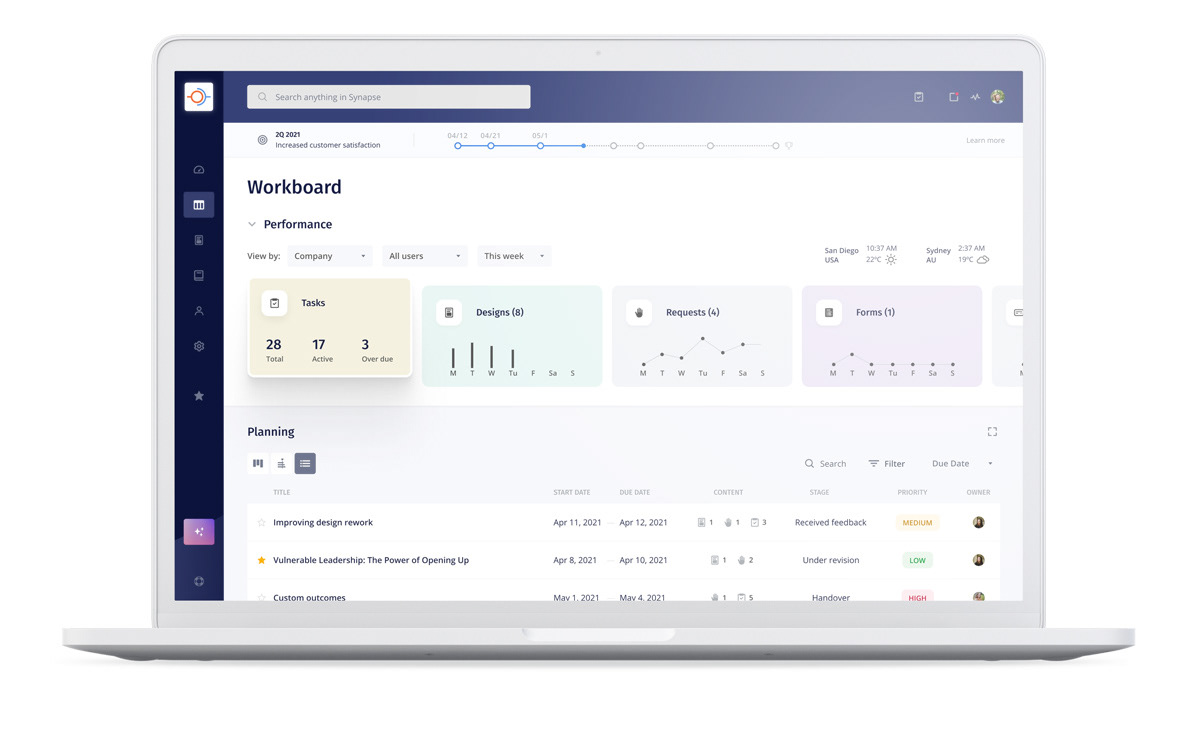
I was on the team that set Synapse's foundations: the processes, the research, the working sessions, the mentoring, and the conversations with stakeholders across squads.